Dual Diagnosis Treatment
Our dual diagnosis program uses a structured, evidence-based approach to help individuals manage co-occurring mental health conditions and substance use disorders, improve emotional stability, and build healthier coping strategies for long-term recovery.
Our licensed clinicians provide dual diagnosis treatment across multiple levels of care, available both in person and through telehealth.
- Same‑Day Assessments
- Confidential Help
What Is Dual Diagnosis?
Dual diagnosis means the presence of both a substance use disorder and a mental health condition at the same time. This is more common than many people realize, since depression, anxiety, PTSD, bipolar disorder, and ADHD frequently occur alongside addiction. In many cases, one condition worsens the other, creating a vicious cycle, also referred to as co-occurring.
The relationship between the two isn’t always straightforward. Some people turn to substances to cope with untreated mental health symptoms. For others, prolonged substance use causes the development of a mental health condition. Often, both are true. What matters clinically is that treating only one side of that picture produces weaker outcomes – unaddressed mental health symptoms are a significant driver of relapse.
Dual diagnosis treatment recognizes this connection and addresses both conditions simultaneously within a single care plan. Rather than completing addiction treatment and then separately seeking mental health support, patients work with a clinical team that manages both.
If you’ve struggled with addiction and have also dealt with persistent mood changes, anxiety, trauma responses, or emotional instability, dual diagnosis care may be a better option.

PFML available in Massachusetts
Many MA employees can take paid time off for family or medical reasons. Your job and benefits are protected.
Types of Co-Occurring Disorders
Anxiety Disorder
Anxiety disorders are among the most common conditions seen alongside addiction. Chronic worry, panic attacks, and avoidance behaviors can make daily life difficult, and many people use substances to take the edge off.
Schizophrenia
Bipolar Disorder
Bipolar disorder includes cycles of depression and elevated or manic episodes that can be difficult to predict or manage. Substance use often increases during mood episodes, making both conditions harder to stabilize.
Major Depressive Disorder
Personality Disorders
Post-Traumatic Stress Disorder (PTSD)
Attention Deficit Hyperactivity Disorder (ADHD)
About the Dual Diagnosis Program at New Growth Recovery
At our addiction treatment center, dual diagnosis isn’t a separate treatment; it’s a part of how we approach care. Our programs are designed to treat patients who are dealing with substance use disorder alongside conditions like anxiety, depression, PTSD, bipolar disorder, and others at the same time.
Co-occurring mental health conditions are present across all of our programs, including Extended Day Treatment, the Intensive Outpatient Program, Addiction Aftercare Program, and others. At New Growth Recovery in Springfield, MA, they’re never treated as secondary to the addiction.
Client Reviews About Our Dual Diagnosis Treatment
Posted on Google DelinaTrustindex verifies that the original source of the review is Google. New Growth was an incredible support throughout my personal recovery journey. Their dedicated, compassionate staff bring lived experience, and the client-centered environment truly feels like a real community. I would confidently refer anyone I know or care about who is seeking support.Posted on Google Steven TurriniTrustindex verifies that the original source of the review is Google. New growth is a great program that helps get to the root of the issue. Tim is great and I think his alumni meeting keeps showing people trying that it works!!👏Posted on Google Arianna PalazziTrustindex verifies that the original source of the review is Google. New Growth has made a huge difference in my life. The staff here is amazing, they truly care about your recovery and go above and beyond to support you. Tim’s groups specifically made a big impact on me and really helped me through my time in the program. I felt heard, supported, and encouraged every step of the way. I would absolutely refer anyone who’s looking for help to come here.Posted on Google ChristopherTrustindex verifies that the original source of the review is Google. I had a amazing experience at New Growth Recovery Center and am grateful for the support I received during a difficult time in my life. The staff was compassionate, knowledgeable, and genuinely committed to helping clients through recovery. From the clinical team to the support staff, I felt respected and understood rather than judged. The program offered a structured environment that helped me build healthier habits and better understand my substance use. Group sessions were especially impactful, providing a sense of community and connection with others facing similar challenges. I also appreciated the individualized attention in counseling sessions, which allowed me to work through personal issues at my own pace.Posted on Google Timothy McCarthyTrustindex verifies that the original source of the review is Google. New Growth was an amazing support in my personal recovery journey. Committed, compassionate staff with lived experience and a client culture that resembles real community. would refer to anyone I know/love seeking support.Posted on Google Billy StoddardTrustindex verifies that the original source of the review is Google. Evan and the staff at New Growth have a very welcoming facility. It’s spacious and well kept. The clinical staff does a great job engaging and giving their clients the care they deserve. New Growth is my first call when anyone needs substance use outpatient resources in western MAPosted on Google Shannon GillickTrustindex verifies that the original source of the review is Google. Best program I've ever been involved with! The staff our earth angels!!! Very beneficial programming and activities! I love New Growth Recovery! I thank God for making it possible for this kind of support and compassion!!!Posted on Google Edward HenryTrustindex verifies that the original source of the review is Google. You were fantastic to deal with and a lot of help everybody there is great couldn’t have done it without themPosted on Google Gary TallmanTrustindex verifies that the original source of the review is Google. New Growth was very helpful in more aspects than I would have expected. They not only provide a beautiful environment for recovery groups, they helped me find stable sober housing and were very supportive in my employment search. If you are looking for a great place with great people New Growth is the place. (I promise they didn't pay me for this) I just really had a great experience. I would recommend it to anyone who needs a safe place to learn coping mechanisms, as well as other recovery skills with a wonderful view.Posted on Google Kayla ManziTrustindex verifies that the original source of the review is Google. I worked closely with a former patient of New Growth and also got to know the staff for myself. It is a warm, welcoming, and judgment-free environment. They are genuine people trying to make a difference, truly operating with patient interest at the forefront. I would highly recommend this facility.
Why Choose Dual Diagnosis Program at New Growth Recovery
Evidence-Based and Licensed
Dual diagnosis program is delivered by licensed clinicians experienced in addiction and behavioral health treatment.
Integrated Care
Treatment is coordinated across program levels to ensure continuity and consistency.
Local and Convenient
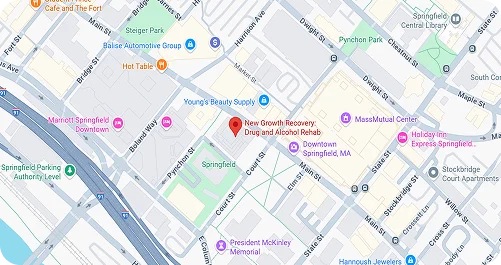
Centrally located in downtown Springfield, with easy access from Chicopee, Holyoke, Westfield, and Longmeadow.
Insurance-Friendly
Most plans are accepted, and benefits are verified quickly with clear cost explanations.
Respect and Privacy
Care is confidential, supportive, and judgment-free from first contact onward.
How to Start
Getting started is simple, and same-day access is available.
Call or walk in to begin your intake
Speak with our team about your needs and history
Complete a substance abuse evaluation (can be done virtually)
Verify insurance or ask about payment options
Begin treatment as early as the same or next day
Family Involvement
Addiction affects the whole family. We invite loved ones to education nights and family sessions to rebuild trust, set healthy boundaries, and align on relapse-prevention roles.
Costs, Insurance, and Accessibility
You’ll receive treatment through most insurance providers, including MassHealth and out-of-network coverage. Get verification within 2 hours from our admissions team.
Dual Diagnosis Addiction Treatment at New Growth Recovery in Springfield, MA
New Growth Recovery works with patients managing both addiction and mental health conditions. Our team creates a care plan that addresses both, not one at a time, but together.
We offer in-person programs at our Springfield, MA facility as well as a virtual IOP for patients who need a more flexible option.
If you or your loved ones need help, call us at (413) 288-3800 or verify your insurance online.
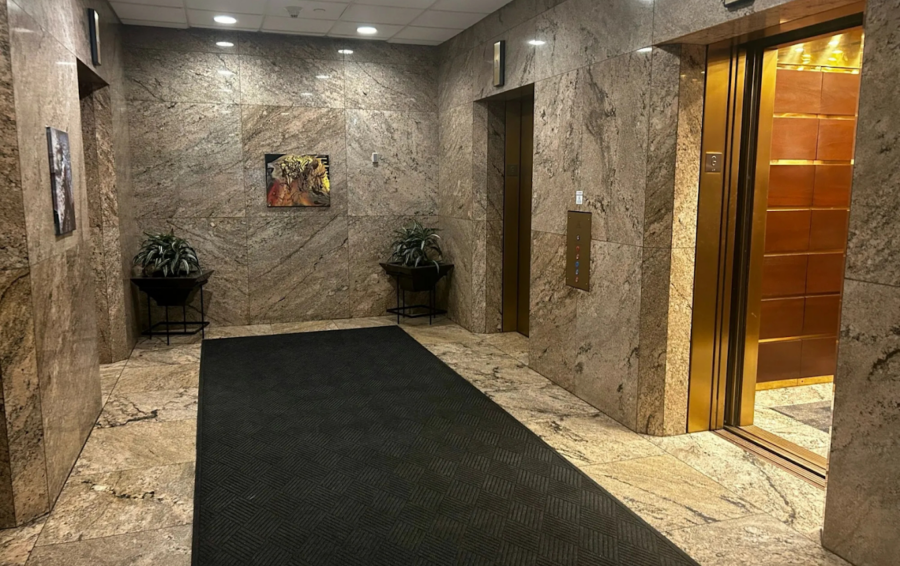
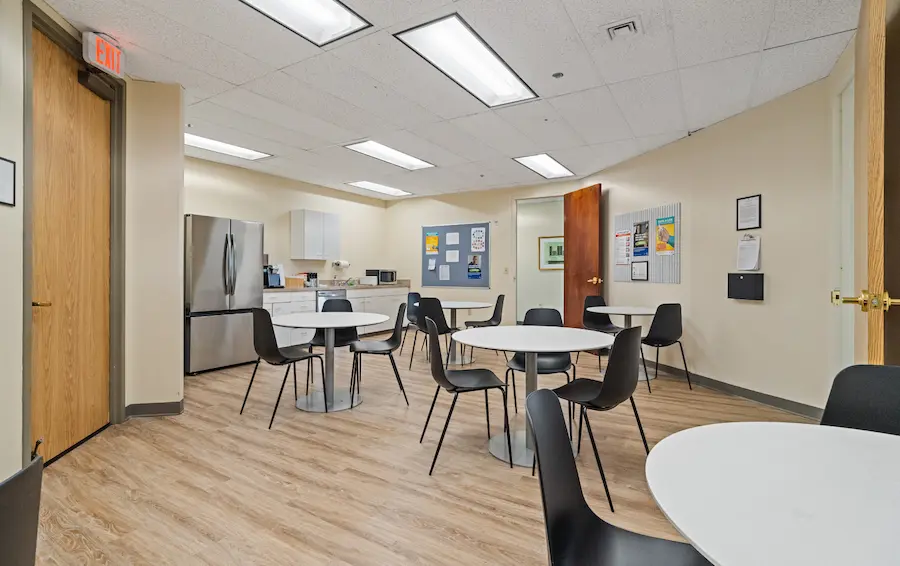
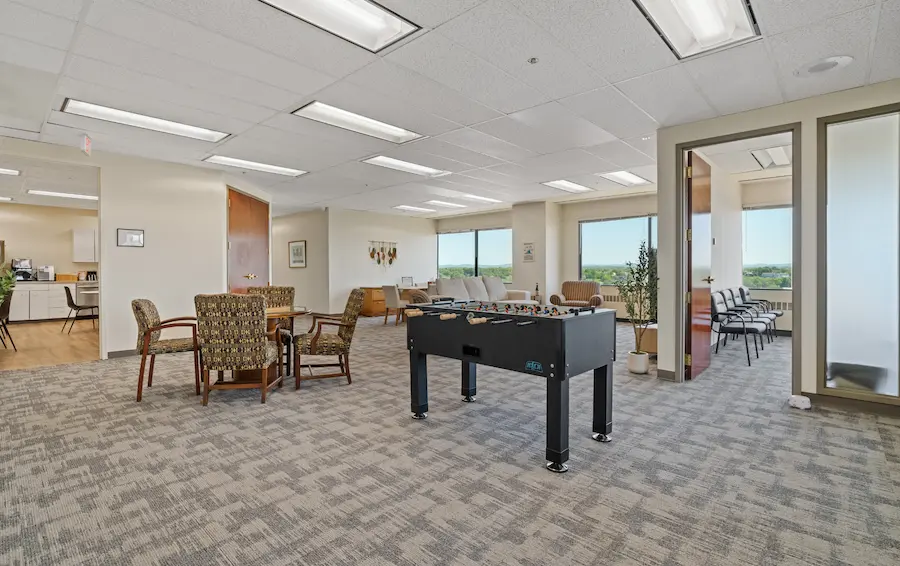
See Our Springfield Facility
Operating Hours: Monday to Sunday: 9 AM to 8 PM
Service Areas:
- Springfield
- Chicopee
- Holyoke
- Longmeadow
- Westfield
Our Team
FAQs About Dual Diagnosis Treatment
Why does dual diagnosis need to be treated differently from addiction alone?
When a mental health disorder and a substance use disorder are present at the same time, each can worsen the other. Someone may use alcohol or drugs to manage emotional distress, while substance use in turn intensifies mental health symptoms. A standard addiction programme that ignores the mental health side often leads to incomplete recovery and a higher risk of relapse. Integrated dual diagnosis treatment addresses both conditions simultaneously, getting to the root of what is driving the addiction.
What mental health conditions commonly occur alongside addiction?
The most frequently seen co-occurring conditions include depression, generalised anxiety disorder, PTSD, bipolar disorder, ADHD, panic disorder, and personality disorders. If you are unsure whether a mental health condition is present, a comprehensive clinical assessment at New Growth Recovery can help clarify your situation.

How do I know if I need dual diagnosis treatment?
Some signs that both conditions may be present include difficulty staying sober despite wanting to stop, using substances to manage your mood or calm anxiety, experiencing intense emotional swings, struggling with trauma, or noticing that your mental health symptoms worsen when you try to cut back. A professional assessment is the clearest way to know for certain.
What therapies are used in dual diagnosis treatment at New Growth Recovery?
Our clinicians draw on a range of evidence-based approaches tailored to each person’s needs. These include Cognitive Behavioural Therapy (CBT), Dialectical Behaviour Therapy (DBT), individual therapy, group therapy, and family therapy. Each modality is chosen because it addresses both the addiction and the underlying emotional or psychological factors that contribute to it.
Can dual diagnosis treatment be done virtually?
Yes. Our online programme is available for Massachusetts residents and includes therapy options suited to co-occurring disorders, delivered through HIPAA-compliant video sessions. This makes quality care accessible whether or not you can attend in person at our Springfield facility.
How long does dual diagnosis treatment take?
Duration varies depending on the severity of both conditions, your treatment goals, and the level of care you are receiving. Recovery is a process, not a fixed timeline. Our team works with you to build a plan that reflects your individual needs rather than applying a one-size-fits-all schedule.
What if I have tried treatment before and relapsed?
Relapse is a common part of recovery, not a sign of failure. Dual diagnosis treatment is specifically designed to uncover and treat the underlying factors.
Is dual diagnosis treatment covered by insurance?
Coverage varies by plan, but many insurance providers cover therapy within outpatient or day treatment programs. Benefits can be verified confidentially before you start.